
Best Soccer Balls for Kids in 2026: The Complete Buying Guide for Parents
So, your kid is getting into soccer, and now you need to buy a ball—but where do you even start? With so many sizes, materials, and fancy marketing terms, it can feel overwhelming.
Don't worry, I've got you covered!
In this guide, we'll break down how to choose the right soccer ball, what size your child needs, and some of the best soccer balls for 2026 that fit different budgets and playing styles.
What to Look for in a Soccer Ball
Before we dive into the best soccer balls, here are a few key things to consider when picking the right one for your child:
✅ Key Factors When Choosing a Soccer Ball:
- Size Matters: Soccer balls come in different sizes based on age. Using the right size helps with skill development and makes the game more enjoyable.
- Match vs. Training Balls: Match balls are higher quality and designed for game play, while training balls are more durable for everyday practice.
- Playing Surface: Is your child playing on grass, turf, indoors, or the street? Different balls are designed for different surfaces.
- Material & Durability: Higher-end balls use synthetic leather and have better air retention, while cheaper ones may need more frequent inflation.
- Budget: Soccer balls range from $15 to $200. A good mid-range ball is often the best bet for young players.
Now that we know what to look for, let's check out 7 of the best soccer balls for kids in 2026—from budget-friendly options to premium match balls!
Best Soccer Balls for 2026 (Budget to Premium)
Nike Premier League Academy Soccer Ball
Best For: Developing Skills & Accuracy
If your child wants to feel like a Premier League star, this ball is a great pick. It features Nike's Aerowsculpt technology, which helps the ball fly straighter, making passing and shooting more accurate. Plus, its four-panel design creates bigger sweet spots for cleaner strikes.
✅ Pros:
- Great for skill development
- Holds air well with rubber bladder
- Eye-catching Premier League design
- Four-panel construction for accuracy
⚠️ Cons:
- More expensive than basic training balls
- May be overkill for very young beginners
Puma Orbita La Liga 1 FIFA Quality Pro Soccer Ball
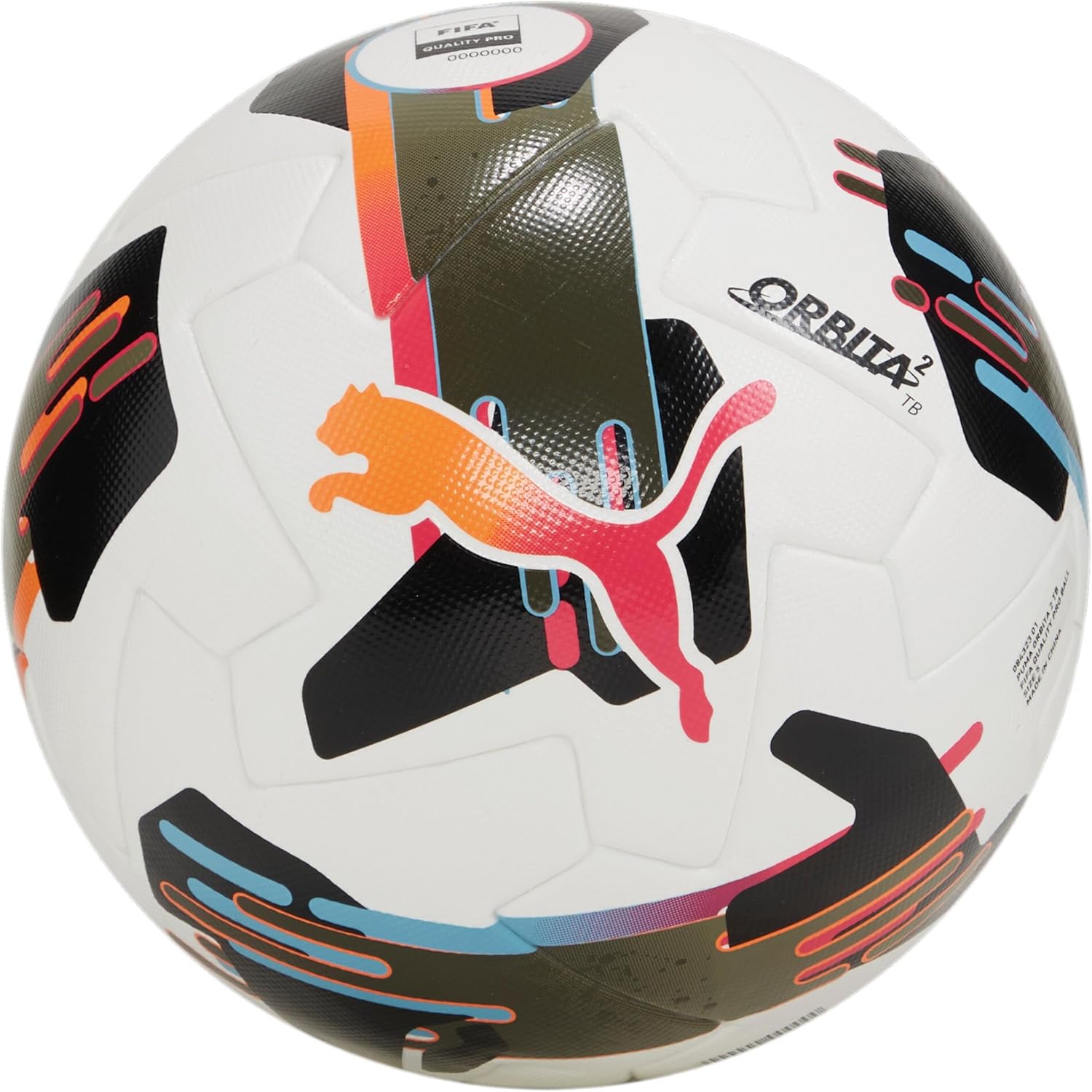
Best For: Players Who Want a Pro Feel
This ball looks and feels like the official La Liga match ball. It's a great all-around training ball that helps kids improve passing, shooting, and dribbling. The tough outer material makes it super durable, so it can handle plenty of practice sessions.
✅ Pros:
- Feels like a pro-level ball
- Holds its shape well over time
- Ideal for grass and turf
- FIFA Quality Pro certification
⚠️ Cons:
- Not as soft as premium match balls
- Higher price point
Senda Rio Training Futsal Soccer Ball
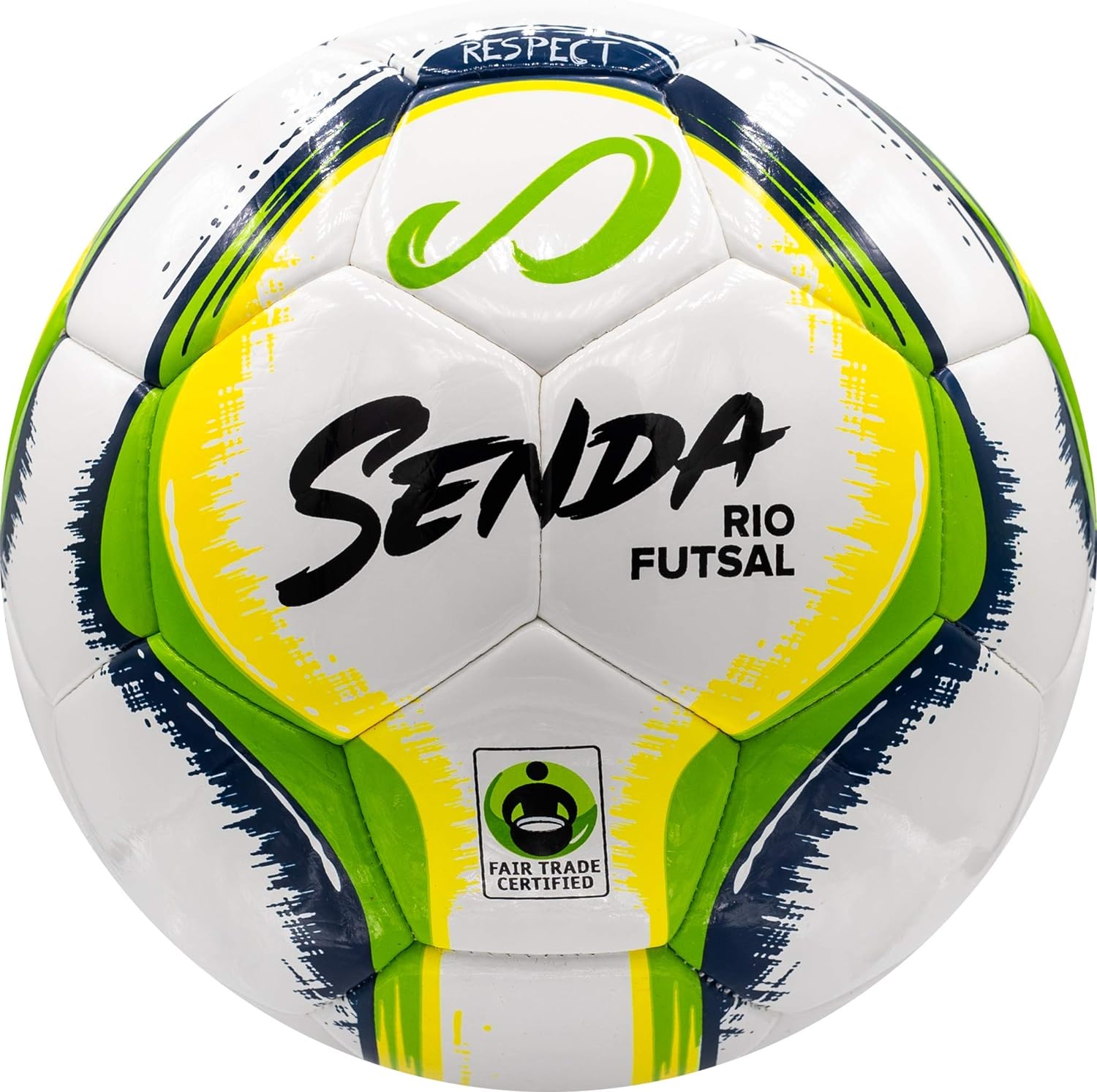
Best For: Indoor Play & Futsal Training
If your child plays indoor soccer or futsal, this is the ball to get. It's smaller, heavier, and has less bounce than a regular soccer ball, making it great for tight control and skill work. Plus, Senda balls are Fair Trade Certified, meaning they're ethically made.
✅ Pros:
- Great for close-control training
- Tough PU cover for indoor surfaces
- Fair Trade Certified (ethically produced)
- Perfect for developing technical skills
⚠️ Cons:
- Not meant for outdoor grass play
- Different feel than regular soccer balls
Select Numero 10 Soccer Ball
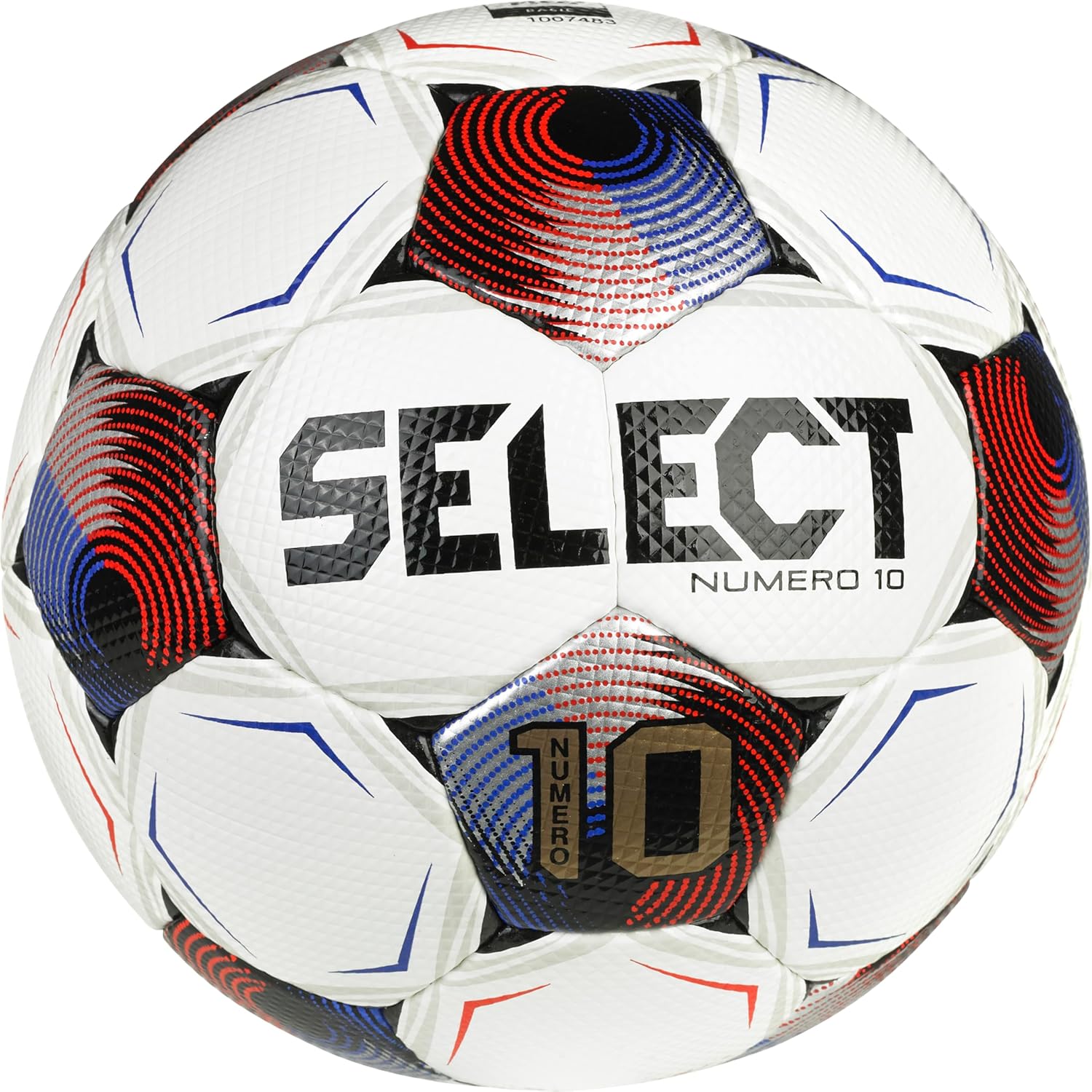
Best For: All-Around Training & Match Ball
This FIFA-approved ball is a favorite for youth and high school players. Made with a soft polyurethane (PU) cover and a latex bladder, it offers a great touch and feel. However, latex bladders require frequent inflation, so keep a pump handy!
✅ Pros:
- High-quality for matches and training
- Excellent touch and responsiveness
- Used by many clubs and schools
- FIFA-approved quality
⚠️ Cons:
- Needs more frequent air refills (latex bladder)
- Mid-to-high price range
Wilson NCAA Vivido Match Soccer Ball
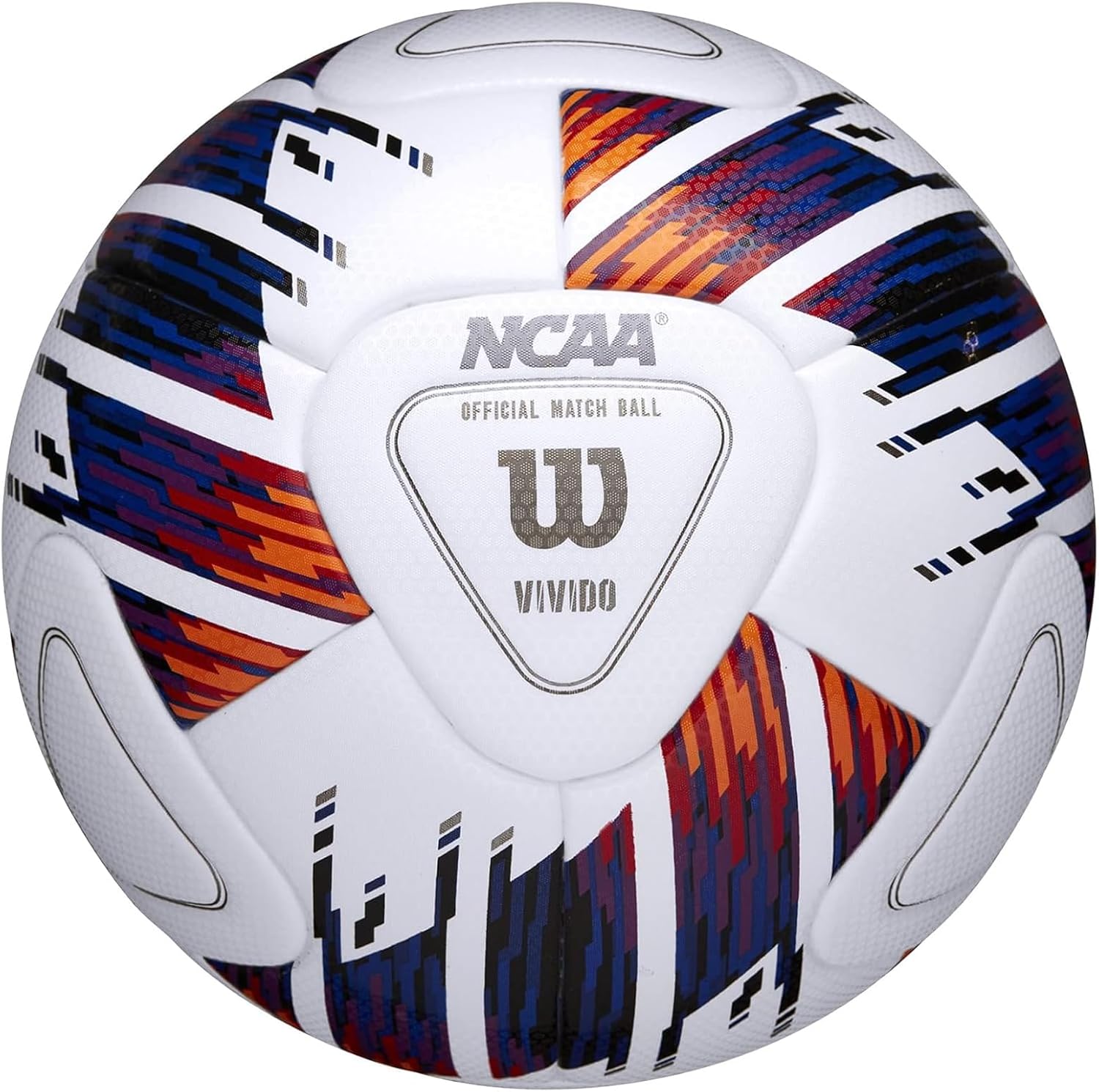
Best For: Competitive Play
This is the official match ball for NCAA college soccer and is built for serious competition. It features Visual Spin Technology (VST), which helps players track the ball in the air more easily, and its 20-panel design provides better striking accuracy.
✅ Pros:
- Great for competitive players
- Butyl bladder for longer air retention
- Visual Spin Technology for better tracking
- Official NCAA match ball
⚠️ Cons:
- Higher price point
- May be too advanced for young beginners
Nike Flight Soccer Ball
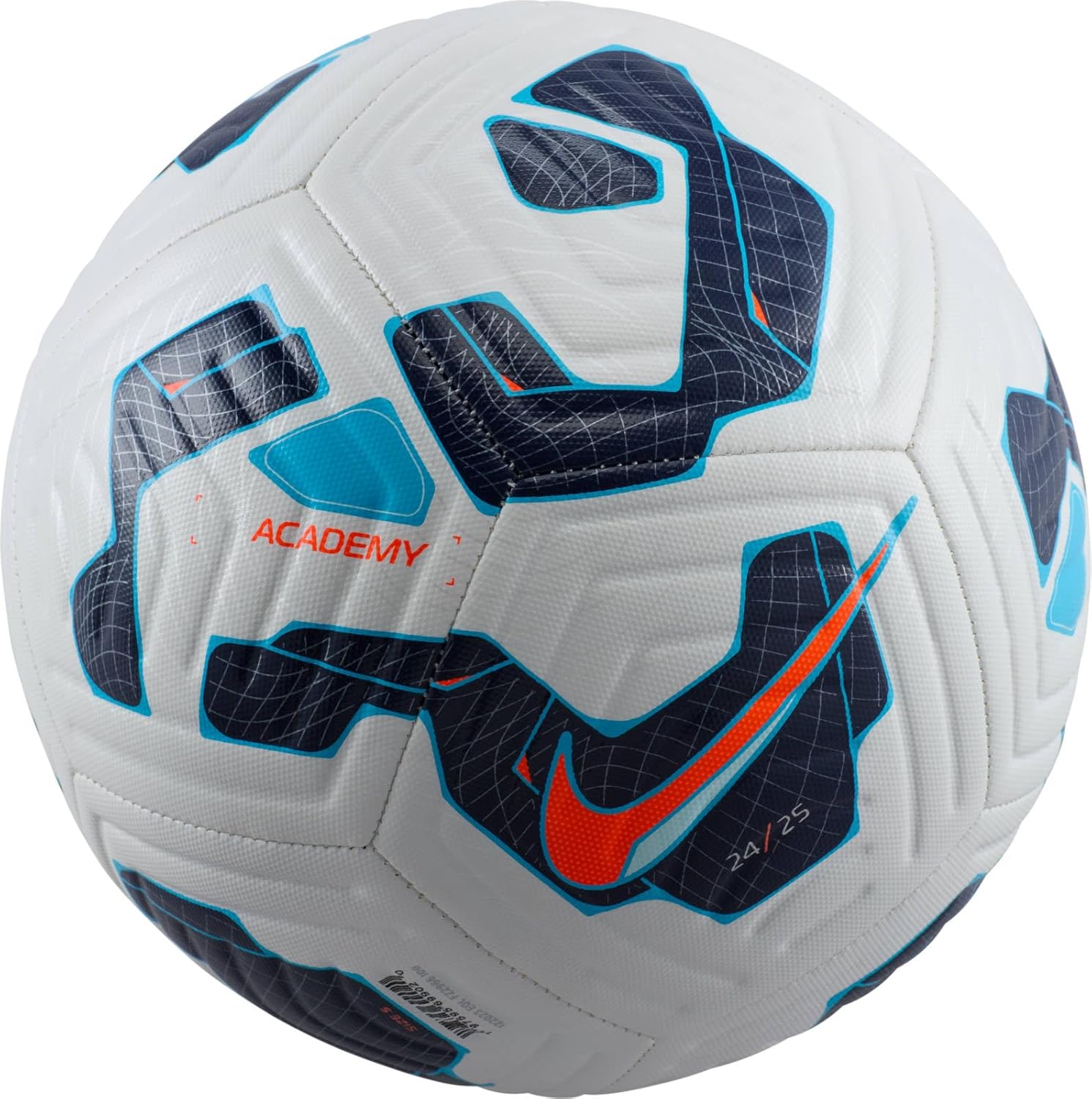
Best For: Serious Players & Competitive Matches
This is one of the most technologically advanced soccer balls out there. It has Nike's Aerowsculpt grooves, which improve accuracy and stability by reducing air drag. It also features All Conditions Control (ACC) technology, meaning it performs well in both wet and dry conditions.
✅ Pros:
- Best for high-level competition
- Predictable flight path for accuracy
- Long-lasting durability
- Performs well in all weather
⚠️ Cons:
- Expensive—best investment for serious players only
- Overkill for recreational play
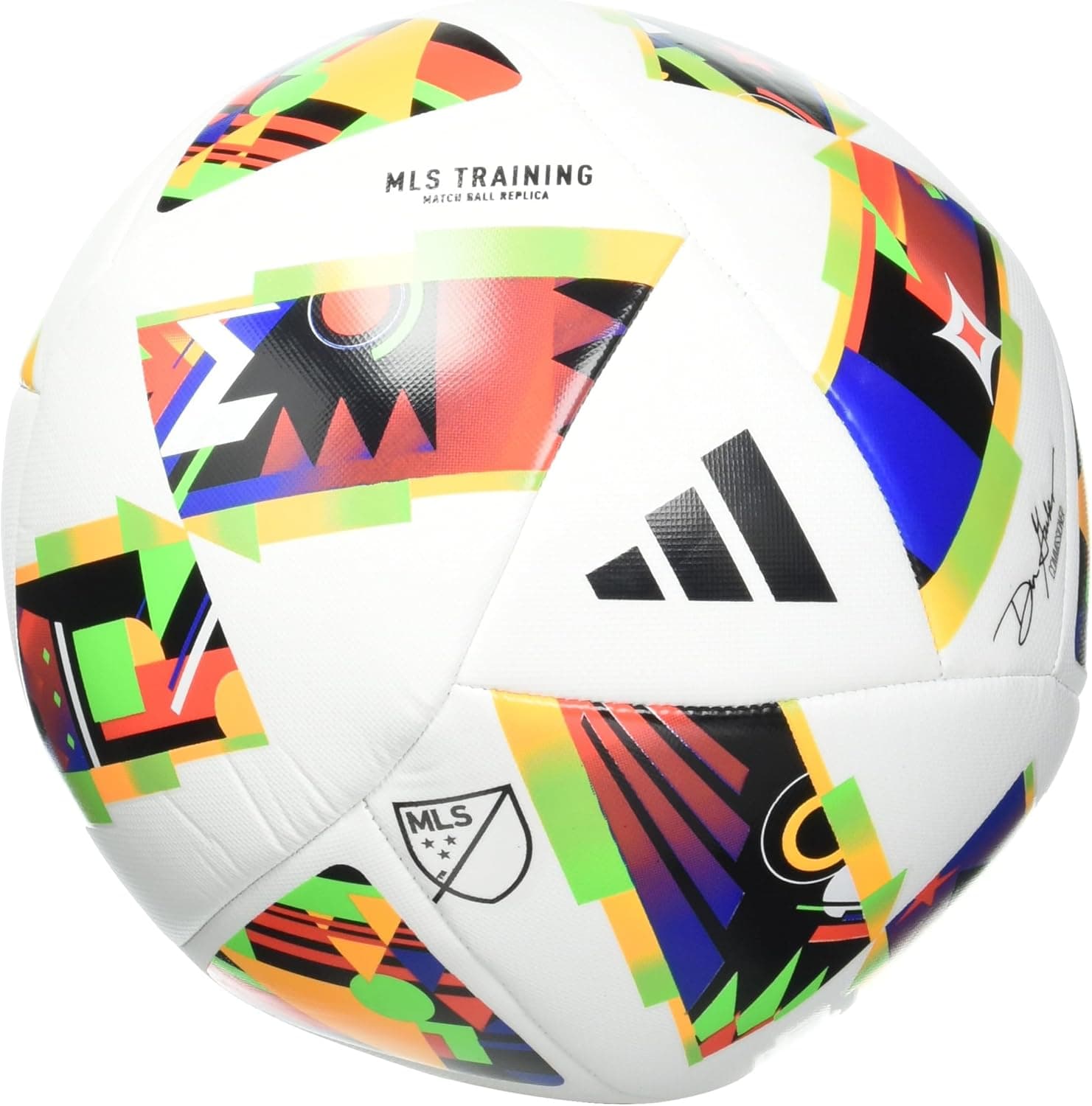
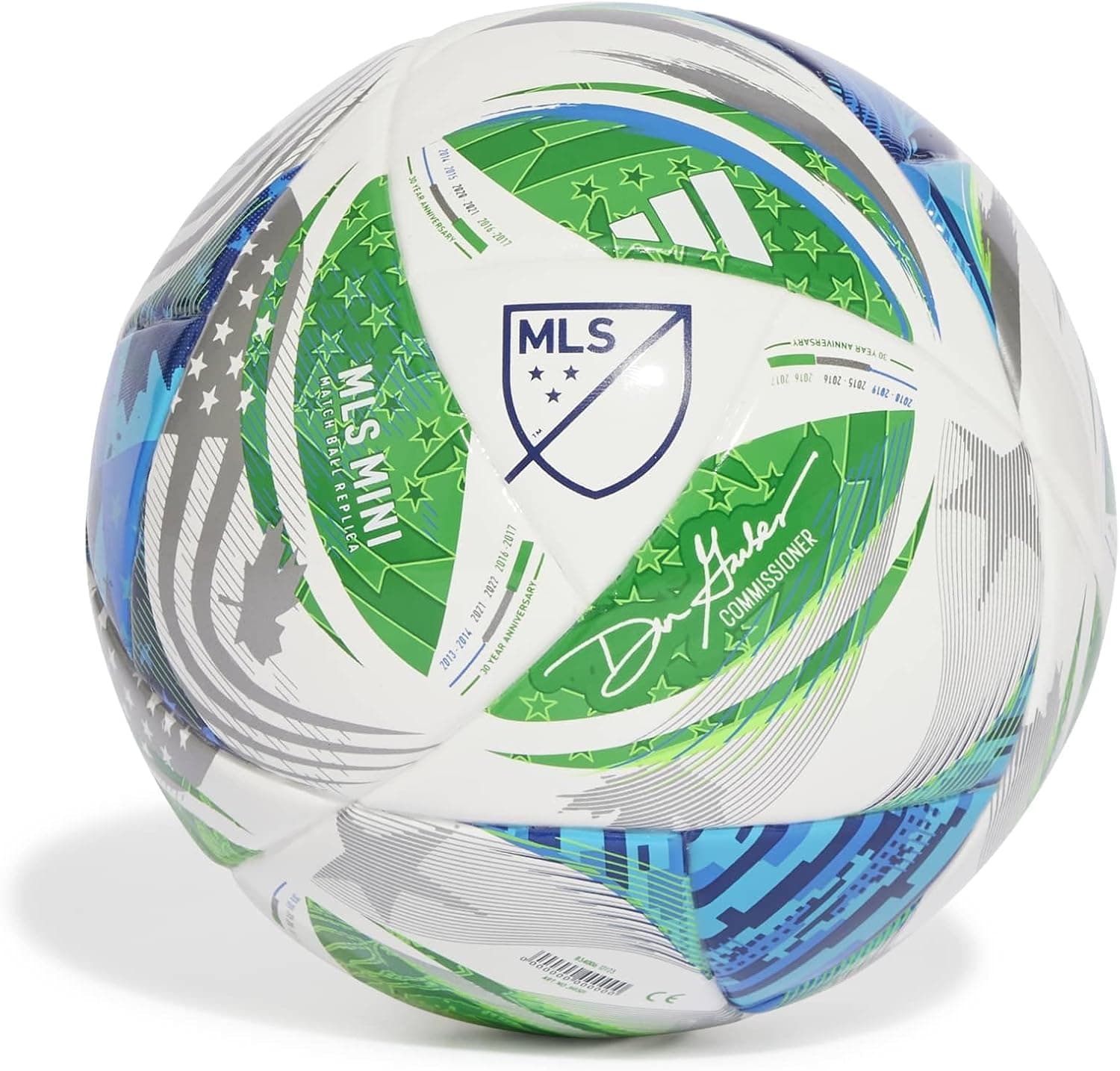
Adidas MLS Soccer Ball
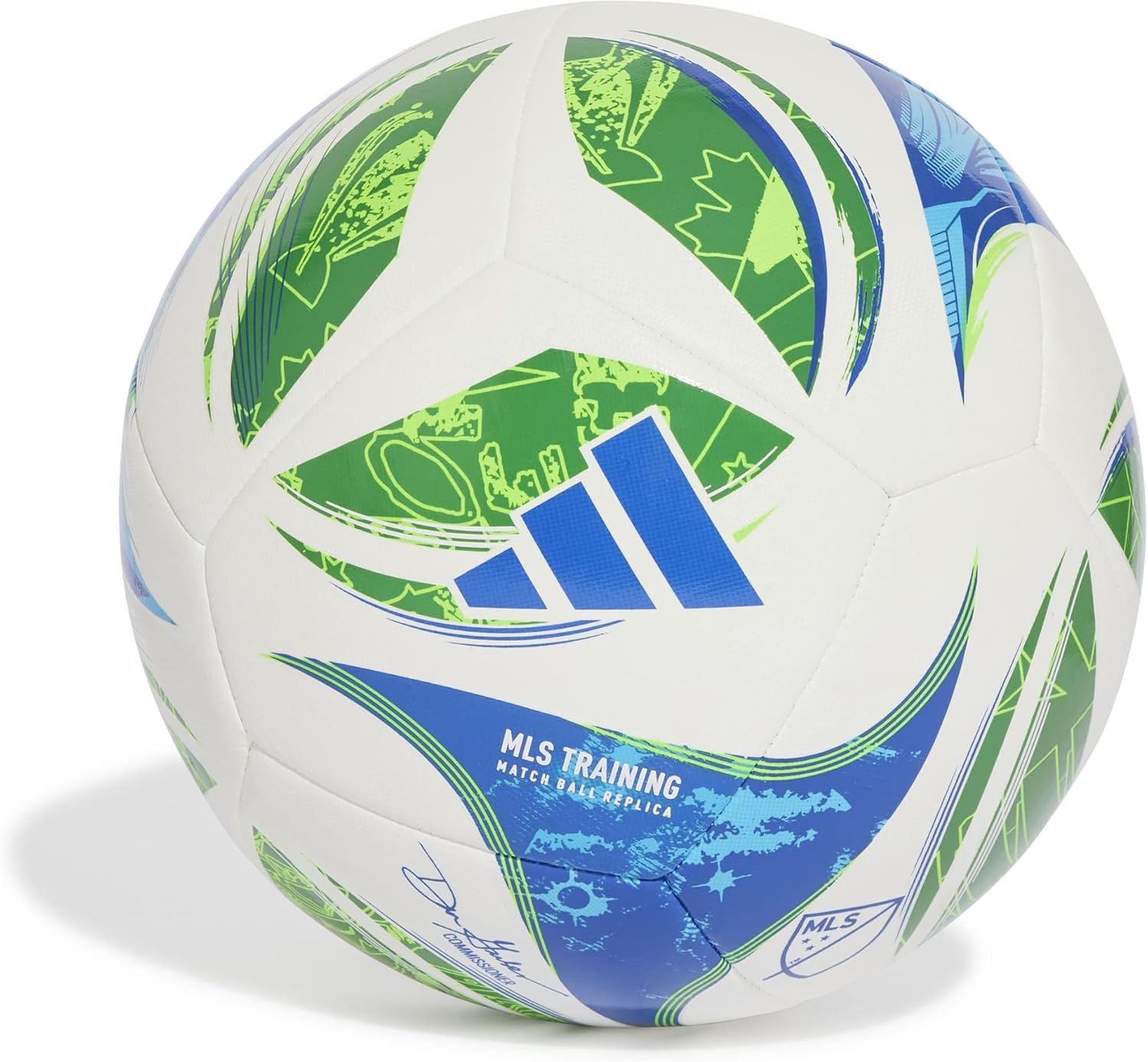
Best For: Budget-Friendly Training Ball
If you're looking for a quality soccer ball that won't break the bank, the Adidas MLS ball is an excellent choice. It features the official MLS branding and provides solid performance for everyday practice at a fraction of the cost of premium match balls. Perfect for beginners, recreational players, or as a backup training ball.
✅ Pros:
- Affordable price point (under $30)
- Official MLS design and branding
- Durable construction for frequent use
- Great value for money
- Good for backyard play and practice
⚠️ Cons:
- Not match-quality feel
- May need more frequent inflation
- Less advanced technology than premium balls
What Size Soccer Ball Does My Child Need?
Picking the right size is crucial! Here's a quick guide:
| Size | Age Group | Best For |
|---|---|---|
| Size 1 | Any age | Mini ball for fun & skill practice (great for ball mastery drills) |
| Size 3 | 8 & under | First real soccer ball for young kids |
| Size 4 | 8-12 years | Great for developing skills before moving to full-size ball |
| Size 5 | 12 & up | Standard size for official games & high-level play |
📏 Quick Size Guide:
For kids under 8, go with a Size 3. For players 8-12, a Size 4 is best. Once they hit 12, it's time for a Size 5, the standard for older youth and adult players.
Match Ball vs Training Ball: What's the Difference?
| Feature | Match Ball | Training Ball |
|---|---|---|
| Purpose | Designed for official games | Built for everyday practice |
| Touch & Feel | Superior touch, better flight | Good touch, slightly heavier |
| Durability | Less durable (softer materials) | More durable (tougher construction) |
| Price Range | $80-$200+ | $15-$80 |
| Best For | Game day, competitive matches | Practice, skill development, backyard play |
💡 Parent Tip:
For most kids, a quality training ball is the better choice. Match balls are expensive and wear out faster with daily use. Save the match ball for game days (if at all), and use a durable training ball for practice and home training.
How Much Should You Spend on a Soccer Ball?
| Price Range | Quality Level | Best For |
|---|---|---|
| $15-$40 | Budget balls | Casual play, beginners, backyard use |
| $40-$80 | Mid-range training balls | Regular practice, club players, skill development |
| $100+ | High-end match balls | Competitive matches, serious players, game-day only |
💰 Our Recommendation by Player Level:
- Budget-conscious families: Adidas MLS Soccer Ball - excellent value under $30
- Recreational players (ages 5-10): $20-$40 ball is perfect
- Club players (ages 8-14): $40-$70 training ball + keep pump handy
- Competitive players (ages 12+): $60-$100 quality training ball, consider match ball for games
- Elite/academy players: $100+ match balls for games, mid-range for training
What Do Professional Players Use?
Yes! Professional players use specially designed match balls that meet strict FIFA standards. Here are some of the official match balls used in major leagues:
| League/Competition | Official Match Ball |
|---|---|
| FIFA World Cup | Adidas Al Rihla (2022) and successors |
| English Premier League | Nike Flight |
| La Liga | Puma Orbita |
| UEFA Champions League | Adidas UCL Official Match Ball |
| MLS | Adidas MLS Official Match Ball |
| NCAA College Soccer | Wilson NCAA Vivido |
These balls are FIFA-approved, meaning they meet strict standards for weight, shape, circumference, bounce, water absorption, and performance.
Common Soccer Ball Questions Parents Ask
How often should I inflate my child's soccer ball?
It depends on the bladder type:
- Butyl bladder balls: Hold air longer, inflate every 2-3 weeks
- Latex bladder balls: Lose air faster, inflate weekly or before each session
Always check before practice or games. A properly inflated ball should feel firm but have slight give when squeezed.
Can my child use the same ball indoors and outdoors?
Not recommended. Indoor balls (futsal balls) are designed differently—smaller, heavier, less bounce. Using an outdoor ball indoors can damage gym floors. Using a futsal ball outdoors on grass won't perform well and wears out faster.
What's the difference between synthetic leather and PVC?
- Synthetic leather (PU): Softer, better touch, more expensive, used in quality balls
- PVC: Harder, more durable, cheaper, used in budget balls
For skill development, synthetic leather (PU) is worth the investment.
Should I buy a ball with a warranty?
Some brands offer 30-90 day warranties against manufacturing defects. However, most ball damage comes from improper use (playing on concrete, over-inflation, leaving in hot car). A warranty is nice but shouldn't be the deciding factor.
How can I make a soccer ball last longer?
✅ Tips to Extend Ball Life:
- Inflate to recommended PSI (usually 8.5-15.6 PSI, check ball)
- Don't over-inflate—causes seams to separate
- Use on appropriate surfaces (don't play on concrete regularly)
- Store indoors, away from extreme heat/cold
- Clean with mild soap and water, let air dry
- Don't sit or stand on the ball
- Use a ball pump with pressure gauge
Final Thoughts: Which Soccer Ball Should You Get?
Here's our quick recommendation based on your child's situation:
🎯 Quick Recommendation Guide:
- Budget-conscious families: Adidas MLS Soccer Ball - great value under $30
- Just starting out (ages 5-8): Size 3 training ball ($20-$40) - focus on durability
- Recreational player (ages 8-12): Puma Orbita or Select Numero 10 (Size 4) - great balance of quality and price
- Club/competitive player (ages 12+): Nike Premier League Academy or Wilson NCAA Vivido (Size 5) - better performance
- Indoor/futsal player: Senda Rio Futsal Ball - designed for indoor surfaces
- Elite/academy player: Nike Flight - professional-level performance
The right soccer ball can make a huge difference in your child's skill development and enjoyment of the game. A quality ball with proper weight, bounce, and feel helps players develop better touch and control.
Remember: the best ball is one that matches your child's age, skill level, and how often they play. You don't need the most expensive ball for a beginner, but investing in quality gear as they progress shows you're serious about their development.
Build Skills Beyond Just Having the Right Ball
A quality soccer ball is important, but consistent skill development is what separates players. The best players don't just show up to practice—they train at home.
Anytime Soccer Training provides:
- 5,000+ follow-along videos teaching proper technique
- Ball mastery drills your child can do in 10 minutes
- Position-specific training building game-ready skills
- Affordable: Team ($10/player/year) or Individual ($120/year)
The right ball helps, but the right training makes the difference.
View Pricing & Start Free Trial Get Free Training ResourcesRelated Resources
📚 More Soccer Training & Gear Guides
- 10 Ball Mastery Drills Your Child Can Do in 10 Minutes - Put that new ball to use!
- Free Soccer Drills for Kids - Start training today
- Training Tips - All training content
- Gear & Equipment - More gear reviews and recommendations
- Parent Tips - Help your child develop faster
About the Author: Neil Crawford is the founder of Anytime Soccer Training and host of The Inside Scoop podcast. As a soccer parent who trained his sons at home (one now at Charlotte FC Academy), he understands the importance of having the right equipment and training consistently. He helps families cut through marketing hype to find gear that actually helps players improve.