
Blog
Why Ball Mastery Is the Foundation of Every Great Player
January 4, 2026
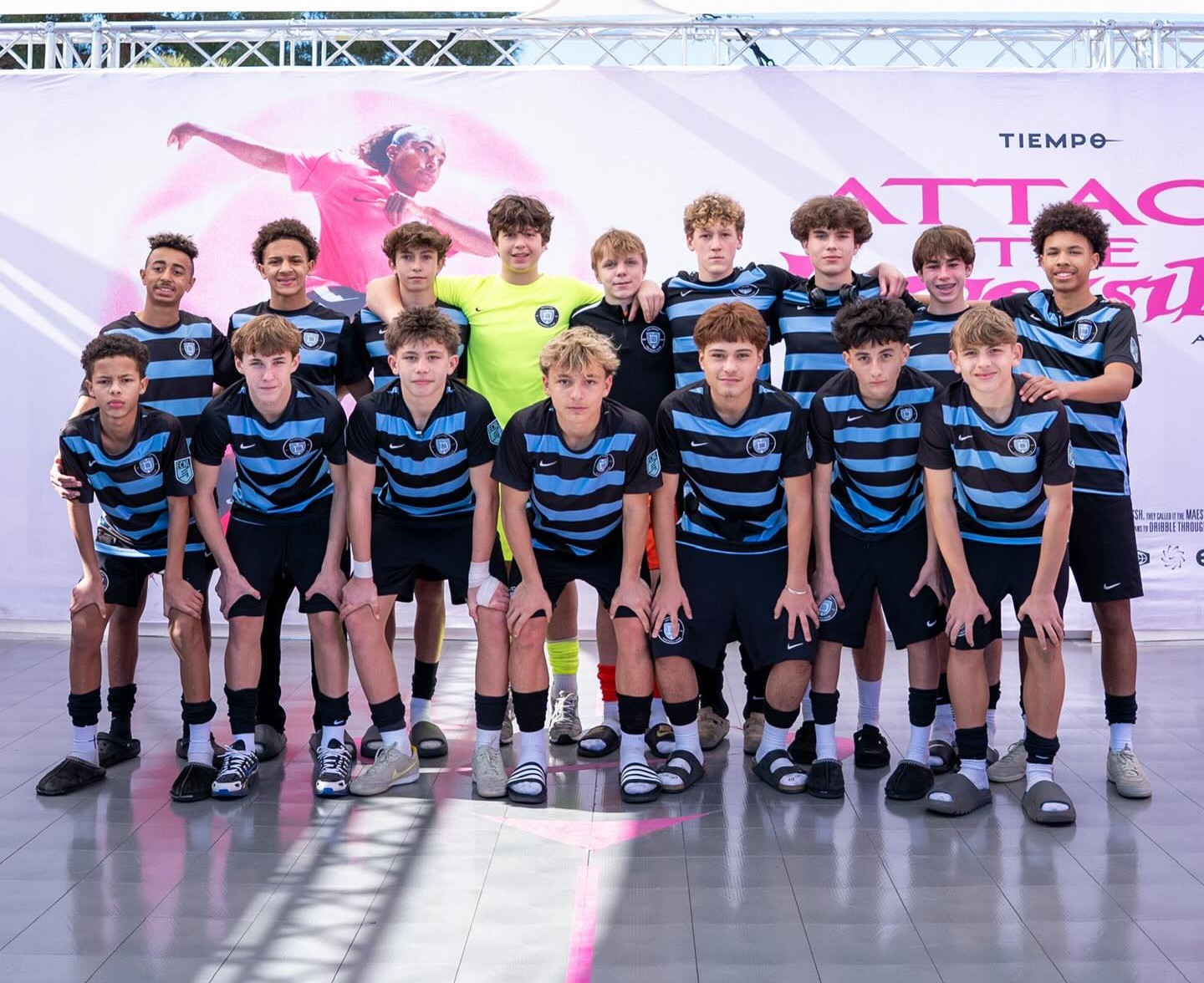
Watch any highlight reel of Messi, Neymar, or Pedri.
What do you notice?
The ball never leaves their feet. It moves with them like a shadow—through traffic, under pressure, at full speed. They don't look at it. They don't chase it. It just... stays.
That's not talent. That's ball mastery.
And it's the single most important skill your child can develop—yet it's the one most parents and coaches overlook.
In this article, I'll explain why ball mastery is the foundation of every great player, and how building this skill early will transform your child's game.
Every advanced skill in soccer is built on the foundation of ball mastery. Skip this step, and your child will always struggle to reach their potential.
That's only 120-250 touches per week from team activities alone.
Now compare that to a 10-minute ball mastery session at home:
10 minutes of focused ball mastery at home provides 6-10x more touches than a typical team practice.
This is why home training is so powerful—and why ball mastery is the perfect skill to develop outside of team sessions.
The key is consistency. 10 minutes daily beats 60 minutes once a week—every time.
Do this daily for 30 days and you'll see a noticeable difference in how your child moves with the ball.
Ready to build the foundation? 📥 Get the Free 30-Day Ball Mastery Training Plan and start your child's transformation today.
Neil Crawford is a soccer dad and founder of Anytime Soccer Training, a platform with 5,000+ follow-along training videos. His son now plays at Charlotte FC Academy—proof that consistent ball mastery training works.
What You'll Learn:
- What ball mastery actually is (and isn't)
- Why it matters more than any other skill
- The science of muscle memory and the 1,000-touch concept
- How ball mastery builds confidence on the field
- When and how to start training it
Related:
The Definitive Guide to In-home Soccer Training (Free Download)
What Is Ball Mastery?
Ball mastery is the ability to control the ball comfortably using all surfaces of your feet—inside, outside, sole, and laces—in any direction, at any speed. It's not juggling (though juggling helps). It's not fancy tricks. It's the foundational relationship between a player and the ball. A player with strong ball mastery can:- Keep the ball close in tight spaces
- Change direction instantly without losing control
- Receive passes cleanly under pressure
- Dribble without looking at the ball
- Execute skills and moves automatically
- Takes heavy touches that give the ball away
- Looks down constantly while dribbling
- Panics when defenders close in
- Can't execute skills learned in practice during games
- Avoids receiving the ball in pressure situations
Why Ball Mastery Is the Foundation of Everything
Think of ball mastery like learning to type on a keyboard. When you first learn, you hunt and peck. You look at each key. You think about every letter. It's slow, exhausting, and frustrating. But after thousands of repetitions, something magical happens: your fingers move automatically. You don't think about typing—you think about what you want to say. Ball mastery works the same way. When the ball feels natural at your child's feet, their brain is freed up to focus on what matters: reading the game, finding teammates, making decisions. Without ball mastery, your child's brain is stuck on "don't lose the ball"—leaving no bandwidth for anything else.| Skill | How Ball Mastery Helps |
|---|---|
| Dribbling | You can't dribble past defenders if you can't control the ball first |
| Passing | Clean first touch sets up accurate passes |
| Receiving | Controlling the ball under pressure requires mastery of all foot surfaces |
| Shooting | Setting the ball properly before striking requires close control |
| 1v1 Moves | Every skill move (step-over, scissors, etc.) is built on ball mastery foundations |
| Decision Making | When control is automatic, your brain can focus on reading the game |
The Science: Muscle Memory and the 1,000-Touch Concept
Here's what's happening in your child's brain when they practice ball mastery: Every time they touch the ball, their brain creates and strengthens neural pathways. These pathways connect the thought ("move the ball left") to the action (inside-of-foot touch). At first, these pathways are weak. The movement is slow, clumsy, and requires concentration. But with repetition—hundreds and thousands of touches—these pathways become superhighways. The movement becomes automatic. This is called muscle memory.The 1,000-Touch Concept
Research suggests that young players need at least 1,000 quality touches per week to develop strong ball mastery. Let's look at where those touches typically come from:| Activity | Touches Per Session | Sessions/Week | Weekly Total |
|---|---|---|---|
| Team Practice (90 min) | 50-100 | 2 | 100-200 |
| Game (60 min) | 20-50 | 1 | 20-50 |
| Total from Team Activities | — | — | 120-250 |
| Activity | Touches Per Session | Sessions/Week | Weekly Total |
|---|---|---|---|
| 10-min Ball Mastery at Home | 300-500 | 5 | 1,500-2,500 |
How Ball Mastery Builds Confidence
Here's something coaches don't talk about enough: Confidence comes from competence. When your child knows—truly knows—they can control the ball, everything changes:- They stop hiding from the ball and start demanding it
- They take on defenders instead of passing backward
- They try new skills in games because they trust their feet
- They recover quickly from mistakes instead of spiraling
- They enjoy the game more because they feel capable
When to Start Ball Mastery Training
The short answer: as early as possible. Children's brains are incredibly adaptable. The neural pathways formed between ages 6-12 are particularly strong and long-lasting. This is often called the "golden age" of skill development in soccer. But here's the good news: it's never too late to start.| Age | Focus | Session Length |
|---|---|---|
| 4-6 years | Basic touches, toe taps, fun games with the ball | 5-10 minutes |
| 7-9 years | Foundation moves, rolls, inside-outside touches | 10-15 minutes |
| 10-12 years | Advanced combinations, speed, creativity | 15-20 minutes |
| 13+ years | Refinement, pressure situations, game-speed mastery | 15-20 minutes |
The 5 Core Ball Mastery Moves Every Player Needs
If you're not sure where to start, focus on these five foundational moves:- Toe Taps – Alternating light touches on top of the ball. Builds rhythm and coordination.
- Inside-Inside Touches – Passing the ball between your feet using the inside of each foot. Foundation for close control.
- Sole Rolls – Rolling the ball side-to-side or forward-back with the sole of the foot. Develops feel and manipulation.
- Inside-Outside Combo – Touching with inside then outside of the same foot. Builds multi-surface control.
- V-Pulls – Pull back with the sole, push forward at an angle with the inside. Foundation for change of direction.
What Happens When You Skip Ball Mastery
I've seen talented players hit a ceiling because they never built this foundation. They can run fast. They understand the game. They work hard. But when the ball is at their feet and a defender closes in... they panic. Here's what happens:- They get passed over for starting positions
- Coaches don't trust them with the ball in tight situations
- Their fancy moves work in practice but fall apart in games
- They plateau while players with better foundations keep improving
- Eventually, they lose confidence and enjoyment
How to Build Ball Mastery at Home
The best part about ball mastery? It requires almost nothing:- A ball
- A small space (6x6 feet is plenty)
- 10 minutes
| Time | Activity |
|---|---|
| 0-2 min | Toe Taps |
| 2-4 min | Inside-Inside Touches |
| 4-6 min | Sole Rolls (side-to-side) |
| 6-8 min | Inside-Outside Combo |
| 8-10 min | Free Flow (combine all moves) |
Want a Structured Ball Mastery Program?
If you want to take the guesswork out of ball mastery training, we've got two options for you:🎯 Free 30-Day Training Plan
Get a complete 30-day ball mastery program delivered straight to you. Each day includes a follow-along session your child can do independently. 📥 Get the Free 30-Day Training Plan →⚽ Full Anytime Soccer Training Library
Access 5,000+ follow-along training videos including complete ball mastery programs organized by skill level. Your child presses play and follows the coach on screen. ✅ What's Included:- Structured ball mastery programs (beginner to advanced)
- Daily training calendar
- Progress tracking
- New content added regularly
Your Action Plan
| When | Action Item | Done? |
|---|---|---|
| Today | Watch your child with the ball—how comfortable do they look? | ☐ |
| Do a 5-minute session: 60 seconds each of the 5 core moves | ☐ | |
| Get the Free 30-Day Training Plan | ☐ | |
| This Week | Complete at least 5 ball mastery sessions (10 min each) | ☐ |
| Calculate your child's weekly touch count | ☐ | |
| This Month | Complete the 30-day ball mastery program | ☐ |
| Record a before/after video to see progress | ☐ |
Essential Equipment
Here's the basic gear you need for ball mastery training. These are affiliate links—they don't cost you extra but help support this site.
- Soccer Ball – Size 4 (ages 8-12) or Size 5 (13+)
- Bluetooth Speaker – For follow-along training videos
Final Thought
Every great player you admire—every silky dribbler, every composed midfielder, every clinical finisher—built their game on the same foundation: ball mastery. It's not glamorous. It doesn't make highlight reels. But it's the invisible skill that makes everything else possible. The best time to start was years ago. The second best time is today. Give your child 10 minutes a day. Give them a ball and a small space. Give them the foundation that will serve them for the rest of their soccer journey. The results will come. I promise.Ready to build the foundation? 📥 Get the Free 30-Day Ball Mastery Training Plan and start your child's transformation today.
Neil Crawford is a soccer dad and founder of Anytime Soccer Training, a platform with 5,000+ follow-along training videos. His son now plays at Charlotte FC Academy—proof that consistent ball mastery training works.
Gear we use for this
The kit our own players train with at home.
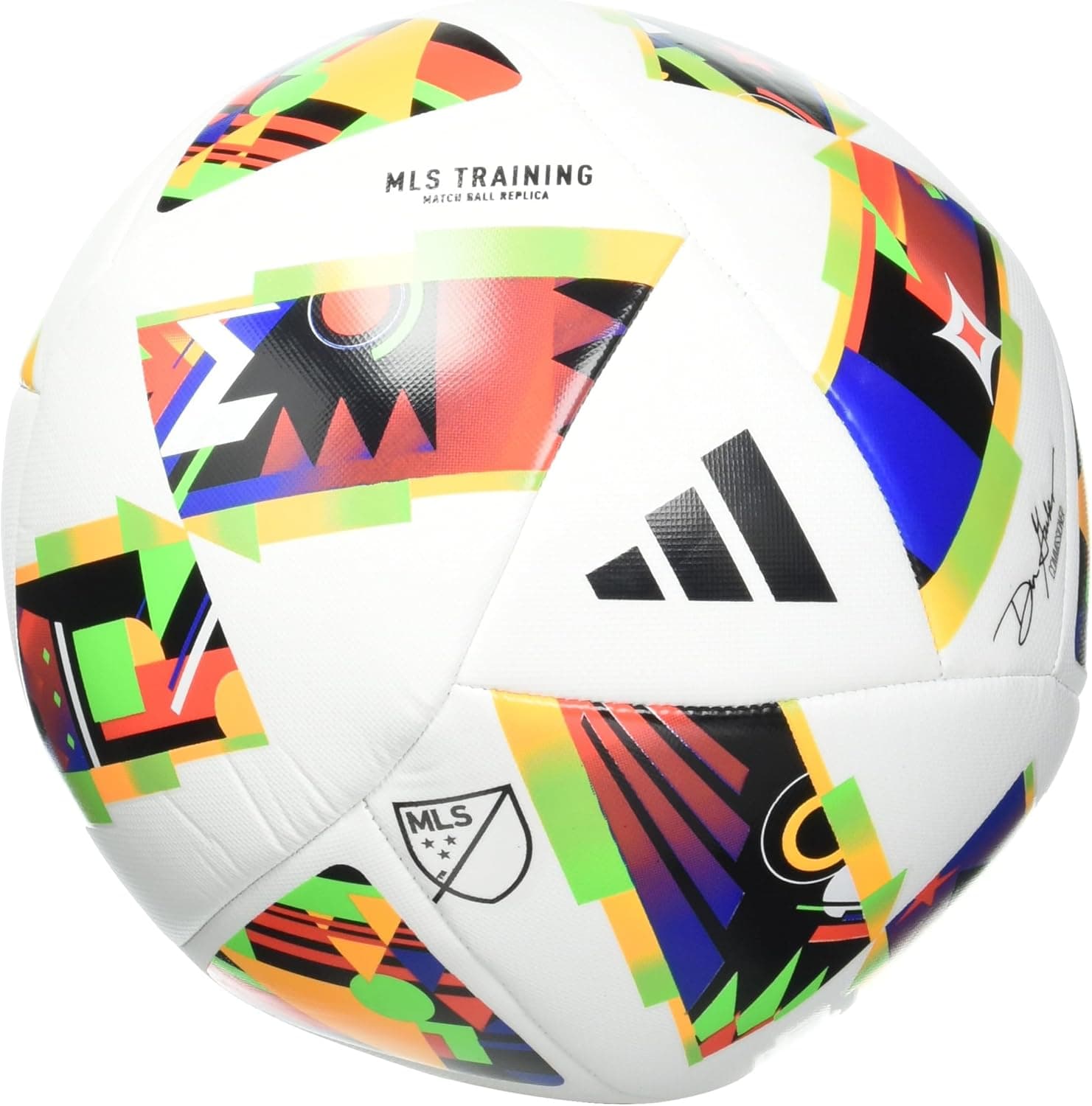
Adidas MLS Training Soccer Ball
View on Amazon →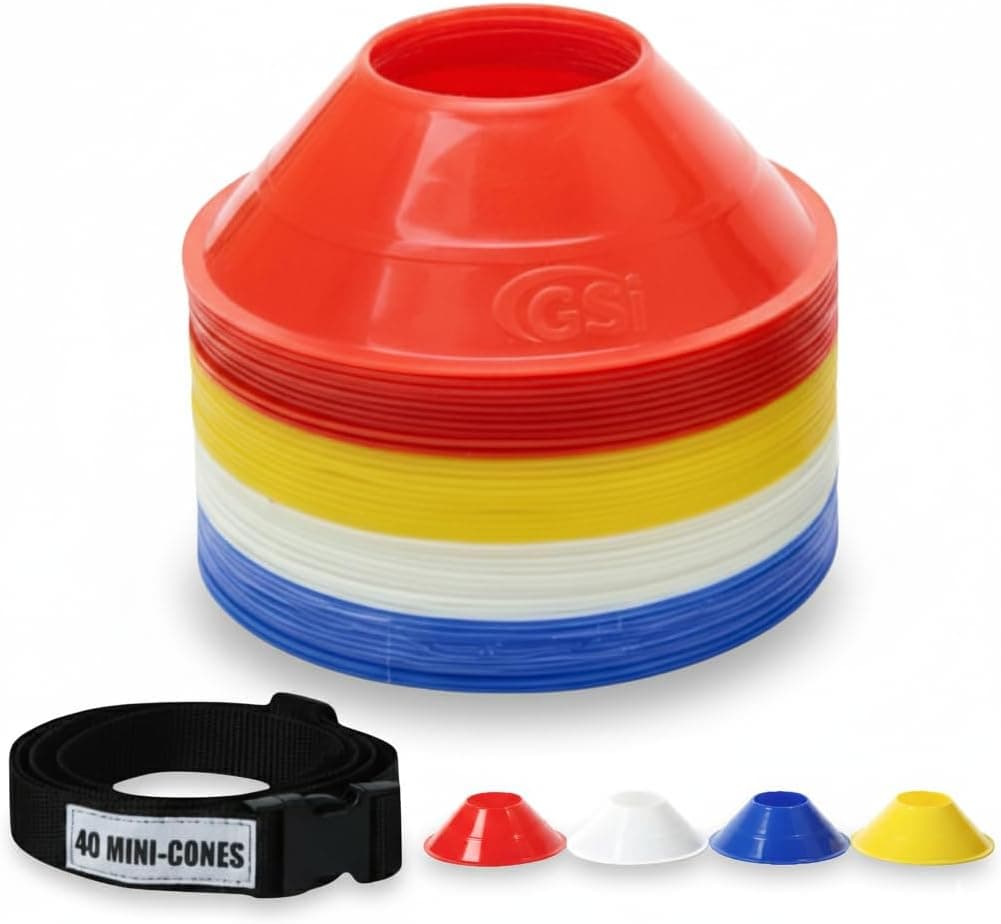
Disc Training Cones (Set of 40)
View on Amazon →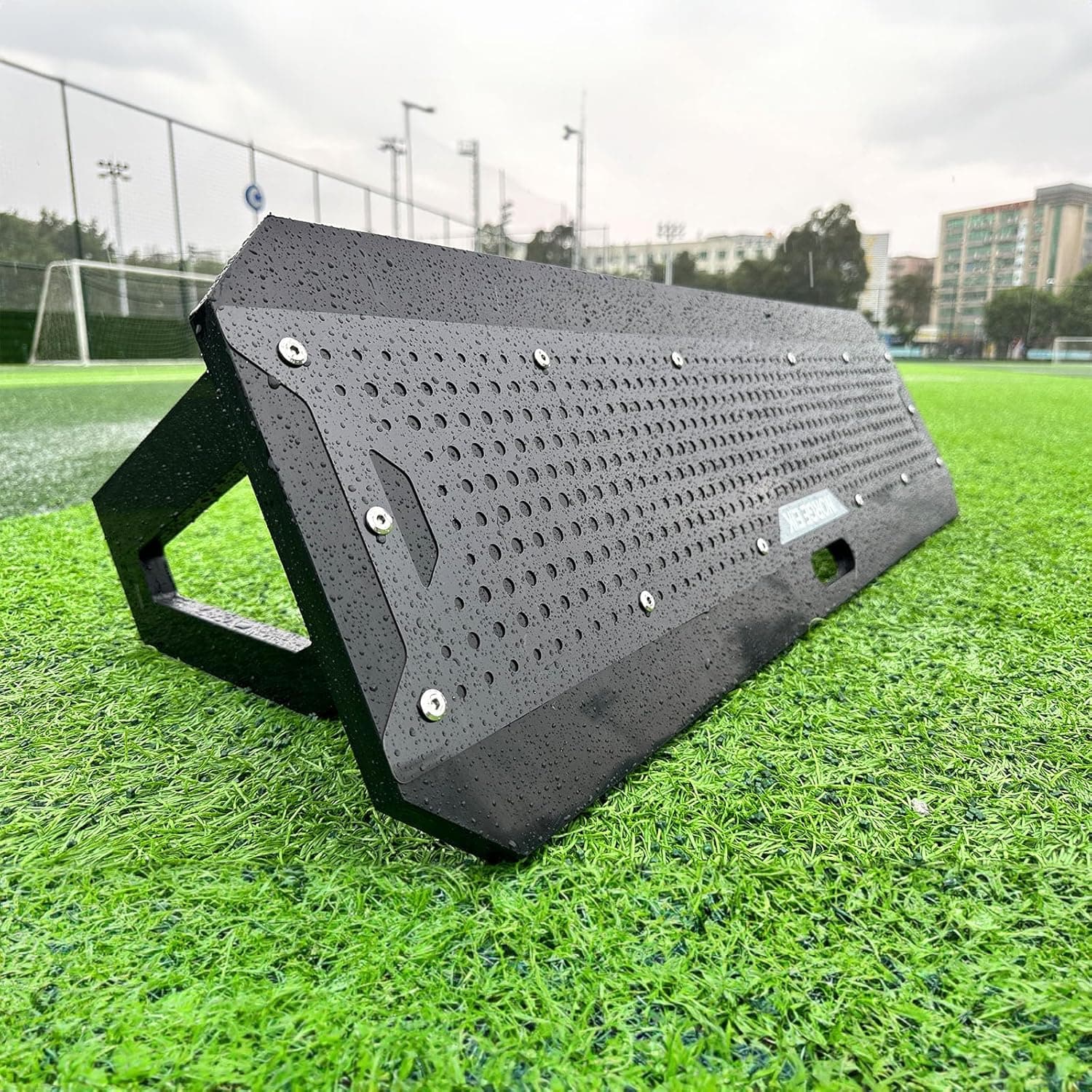
Soccer Rebounder
View on Amazon →See everything we recommend
As an Amazon Associate we earn from qualifying purchases, at no extra cost to you.
Training Tipsball masteryballmasteryfoundationevery